Personal Development

A practical examination of retirement planning assumptions. Analyzes income, risk, flexibility, and lifestyle design rather than asset accumulation alone. Challenges conventional retirement models and presents alternative frameworks focused on resilience, adaptability, and real-world constraints.
How to Lead People examines leadership as a practical skill rooted in decision-making, accountability, and clear communication. It focuses on how leaders influence outcomes through structure, expectations, and consistency rather than authority alone. The book provides a grounded framework for leading teams, managing conflict, and building trust in real working environments.
Life Lessons explores practical insights drawn from experience, reflection, and everyday decision-making. It focuses on responsibility, perspective, resilience, and the consequences of choices over time. The book offers a grounded framework for thinking clearly about work, relationships, failure, and personal direction without abstraction or sentimentality.
Critical Thinking develops the ability to evaluate information, recognize flawed reasoning, and make decisions based on evidence rather than impulse or narrative. It focuses on identifying assumptions, separating claims from facts, and understanding how bias and incentives shape conclusions. The book provides a practical framework for thinking clearly in complex, uncertain, or emotionally charged situations.
The Real Fix: Fix Anything
Introduces a systems-based approach to problem solving across disciplines. Examines how breakdowns occur, how causes are misidentified, and how effective fixes differ from temporary solutions. Focuses on transferable principles that apply to mechanical, organizational, and everyday problems.
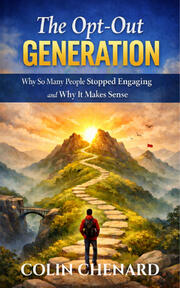
The Opt-Out Generation examines why growing numbers of people have disengaged from work, institutions, and public life, and why common explanations fail to account for the shift. It focuses on how systems reward compliance over judgment, misidentify disengagement as apathy, and ignore the cumulative effects of pressure, incoherence, and loss of agency. Rather than framing withdrawal as a personal failure, the book explains opt-out behavior as a rational response to environments that no longer reward participation.
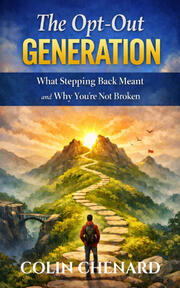
What Stepping Back Meant and Why You’re Not Broken examines the internal experience of disengagement and the quiet aftermath that follows stepping away. It focuses on how relief, clarity, grief, and disorientation often coexist, and why these reactions are commonly misread as failure or avoidance. Rather than treating withdrawal as something to correct, the book explains how stepping back can restore perspective, reduce internal conflict, and reveal what had been eroding well-being long before disengagement occurred.
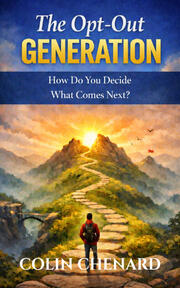
How Do You Decide What Comes Next? examines the period that follows disengagement, when pressure to re-engage returns but direction remains unclear. It focuses on how uncertainty is often mistaken for indecision, and why rushing toward purpose, plans, or identity can recreate the same conditions that led to withdrawal. Rather than prescribing goals or outcomes, the book explains how orientation, judgment, and readiness tend to re-emerge when space is allowed for clarity to develop naturally.
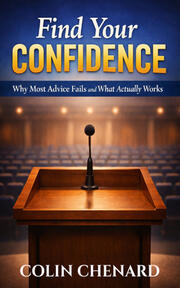
Find Your Confidence examines why confidence often erodes in capable, thoughtful people and why common advice tends to make the problem worse. It focuses on how self-monitoring, performance pressure, and imagined judgment quietly undermine steadiness in everyday situations. Rather than offering techniques or motivation, the book explains how confidence typically returns when unnecessary internal pressure is removed. It provides a clear framework for understanding confidence as a natural state, not a skill to be built or maintained.